


By
Margie
Comments (0)
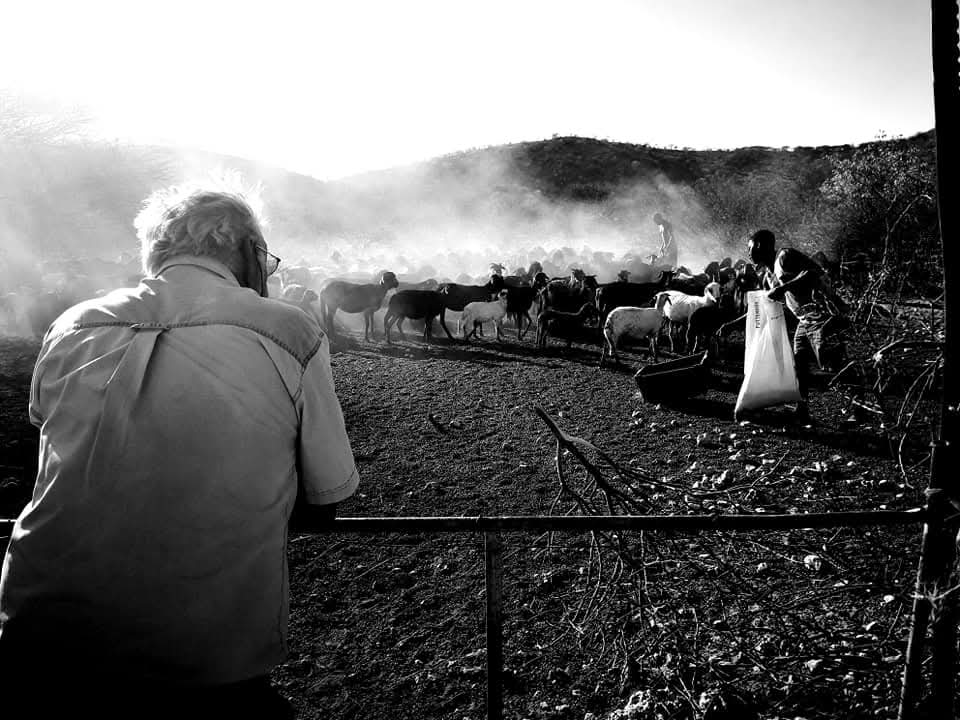
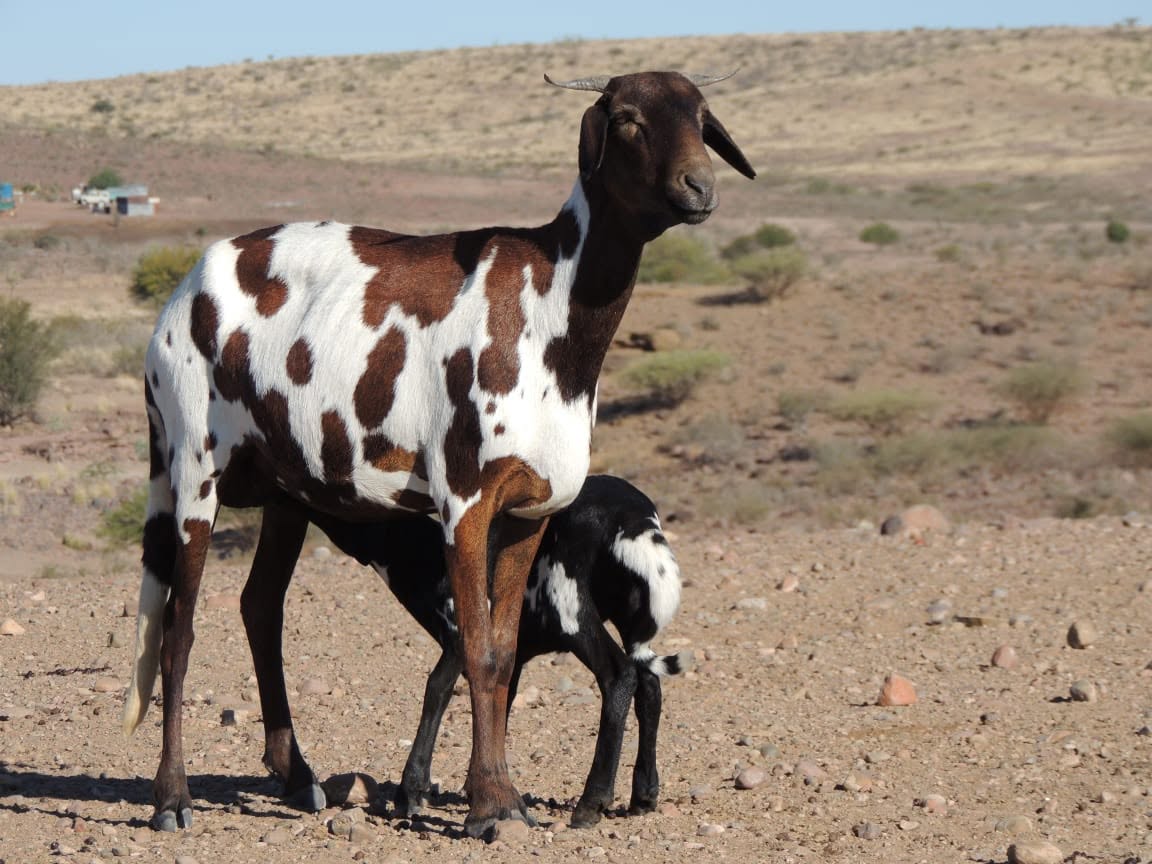
The Kaokoveld — a place of endless ruggedness. A desolate landscape that does not forgive weakness.
Rocky mountains. Dry riverbeds. Open plains. Desertscapes. Vast distances that speak of nothingness.
In this remote corner of north-western Namibia, survival has always depended on adapting to the land.
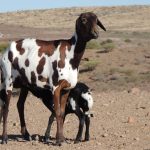
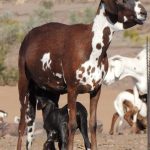
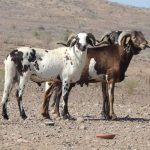
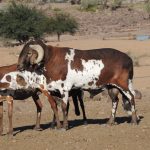
Long before there were stud registrations, breed societies or performance records, Damara sheep were being managed across these landscapes by the Himba people.
There were no show rings.
There were no breeding catalogues.
There was only the land, the flock and the shepherd’s judgement.
And the land demanded much.
Sheep that could not walk long distances, were left behind for the vastness to reclaim them.
Sheep that could not cope with heat and drought, time eliminated.
Sheep that could not raise lambs under harsh conditions, never made it to the next generation.
Sheep that could not make use of sparse grazing, perished.
Over many generations, these environmental pressures helped shape the breed we know today.
The Damara’s distinctive fat tail is more than a physical characteristic. It serves as a reserve of energy that assists animals through tough periods when feed is scarce — helping ewes raise lambs even in the most difficult conditions.
The Damara is a hair sheep rather than a wool breed. Its coat thickens naturally in winter and is shed again as temperatures rise — an elegant biological adaptation to the extremes of the Kaokoveld. Selective breeding for smoother, more mobile coats also contributes to reduced tick loads.
Its strong maternal instincts and adaptability are traits that have long been valued by breeders working in challenging conditions.
And then there is fertility. In a country that tests every aspect of a sheep’s constitution, the Damara’s remarkable reproductive capacity stands out as a centuries-old inheritance rather than a modern breeding achievement. This deep-seated resilience shines through in the breeding herd’s ability to give more twins in favourable conditions. Flocks survive challenging environments where other breeds falter.
The Damara’s exceptional walking ability and endurance were forged across vast, ancient landscapes. Its nomadic resilience was further refined by the search for scarce water and desert forage, leaving it completely unmatched when it comes to locating vital resources for survival.
Many of the qualities Australian breeders admire in the Damara today were developed long before the breed ever left Africa.
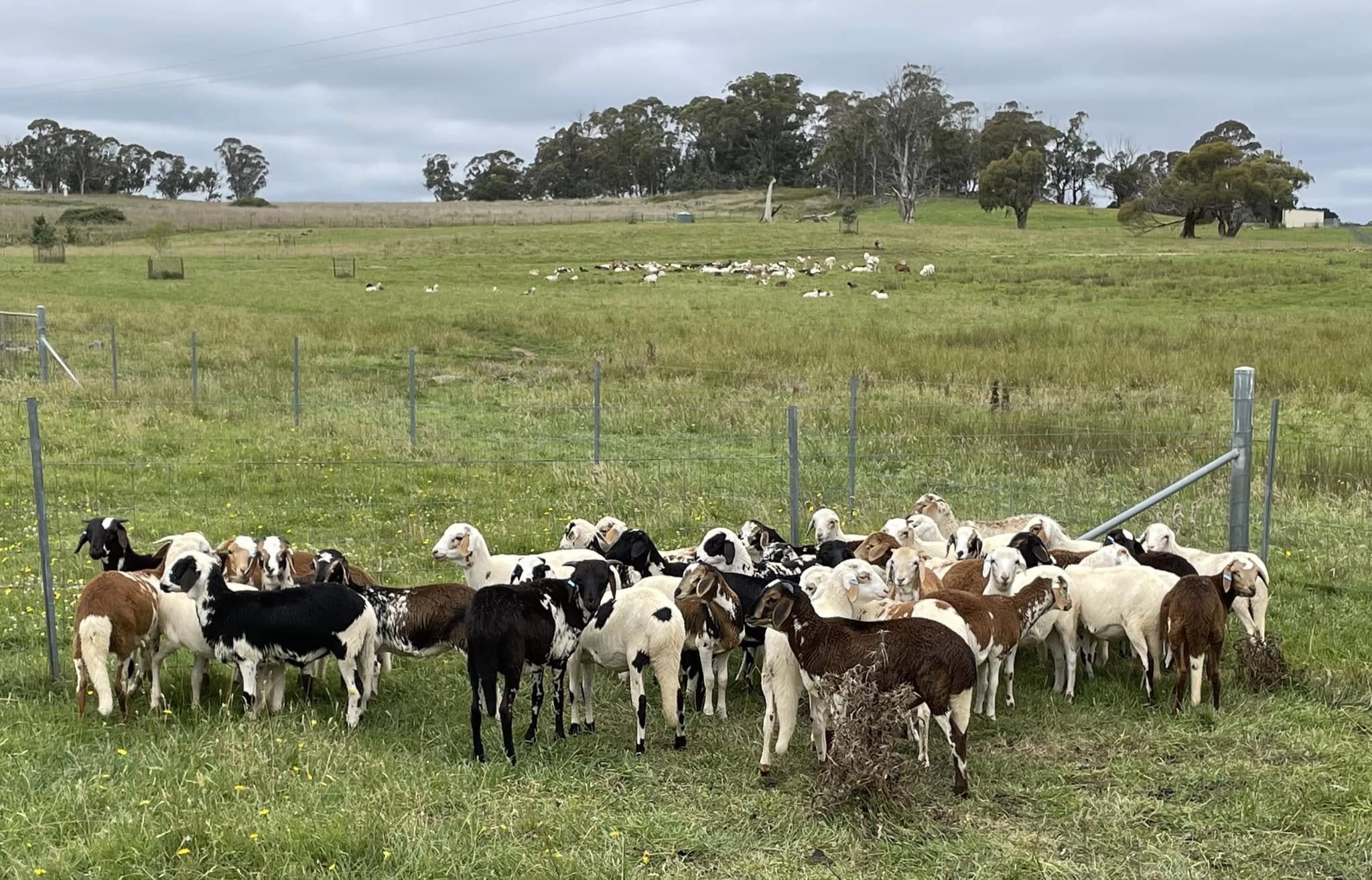
When the first Damara sheep arrived in Australia in late 1990’s, they brought with them far more than genetics.
They carried the legacy of generations shaped by some of the most demanding environments on earth.
The resilience.
The adaptability.
The quiet hardiness.
These are not recent discoveries.
They are part of the Damara’s story.
And that story began centuries before the first Damara sheep set foot on Australian soil.
From Veld to Down Under is documenting the journey of the Damara sheep from its African origins to the paddocks of Australia. If you have photographs, memories or records connected to the Australian Damara story, we would love to hear from you.
© Written by Keith Layman, Hamilton Ridge Damara Stud, NSW Australia
Editorial Contribution — Johann Cloete, Fish River Damara Sheep, Namibia
Photographs © Johann Cloete, Fish River Damara Sheep, Namibia